Attraction · Bath · BA1 1LT

Bath Abbey

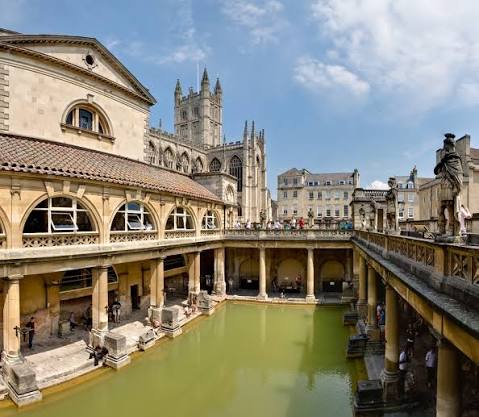
Perpendicular Gothic, begun 1499. The fan vaulting is among the finest in England. Free entry (suggested donation £4). Tower tours from £10. Next door to the Roman Baths on Abbey Churchyard — most visitors do both on the same morning.

Practical information

Address Abbey Churchyard, Bath BA1 1LT
Visiting hours Mon–Sat 10am–4pm (last entry 3:30pm). Check bathabbey.org for seasonal variation.
Sunday services Open for worship throughout the day. Visitor access between services.
Suggested donation £4 adults, £3 concessions. Voluntary — you are not refused entry.
Tower tours From £10 — 212 steps, panoramic views over the city. Pre-book at bathabbey.org.
Time needed 30–45 minutes inside. Add 30 minutes for the tower tour.
Heritage Vault Permanent exhibition in the vaults beneath the abbey, included in the suggested donation.
Location Abbey Churchyard — the pedestrian square next to the Roman Baths entrance. 5 minutes from Bath Spa station.
What to see at Bath Abbey

The fan vaulting

The nave ceiling is one of the finest examples of perpendicular Gothic fan vaulting in England. Built in the 15th and 16th centuries, the stone fans spread symmetrically from the central bosses. More complex and more recent than similar vaulting at Gloucester or Winchester. Look up immediately on entering.

The tower tour

Access to the tower is via a 212-step guided ascent through the inner workings of the building — you see the bell ringing chamber, the clock mechanisms, and the internal structure of the fan vault from above before reaching the roof. Views from the top extend across the city, the Avon valley, and to Dundry Hill in the distance. Pre-booking required.

The west facade angels

The west front has carved stone ladders with angels ascending and descending — representing the dream of Jacob's Ladder that Bishop King reported as the inspiration for rebuilding the abbey in 1499. The original carving is weathered; the current facade is largely Victorian restoration, but the iconography follows the original design.

Memorial tablets and floor

The floor and walls of Bath Abbey are covered in memorial tablets — nearly 600 of them — commemorating residents and visitors from the 16th to 19th centuries. Bath attracted wealthy invalids taking the waters; many did not survive. The tablets make unexpected reading.

The Heritage Vault

A permanent exhibition in the vaulted chambers beneath the abbey floor. Covers the three churches that have stood on this site since the 7th century, the Roman finds discovered below the nave, and the evolution of the building through medieval, Tudor, and Victorian phases. Included with the suggested donation.

Combine with the Roman Baths

The Roman Baths entrance is 20 metres from Bath Abbey, on the same square. Morning strategy: arrive at the Roman Baths at 9am (before the crowds), spend 90 minutes, then cross to the Abbey for another hour. Both done by noon, leaving the afternoon free.

The Weekend Five

This weekend's top 5 events, in your inbox Friday

Picked from the live feed. One email a week, no filler.

Bath Abbey — frequently asked

Is Bath Abbey free to enter?
Bath Abbey operates on a suggested donation model — £4 for adults, £3 concessions. You are not refused entry if you do not donate. The Heritage Vault (permanent exhibition in the vaults beneath the nave) is included with the suggested donation. The Tower Tour (212 steps, panoramic views) is a separate ticket from £10, pre-booked at bathabbey.org. Sunday services are free; visitor access is between services.
What is Bath Abbey famous for?
Bath Abbey is primarily known for its perpendicular Gothic fan vaulting — one of the finest in England — and its west facade with the carved angels on Jacob's Ladder. The current building dates largely from 1499 (Bishop Oliver King's rebuild) with significant Victorian restoration. Edgar, the first king of England, was crowned in an earlier church on this site in 973 AD. The abbey is also notable for its floor of nearly 600 memorial tablets to 16th–19th century residents and visitors.
How long does it take to visit Bath Abbey?
The abbey interior takes 30–45 minutes if you read the memorial tablets and look at the fan vaulting carefully. Add 30 minutes for the Heritage Vault exhibition below. The Tower Tour (212 steps) adds another 45–60 minutes with the guide. A full visit covering interior, vault, and tower is approximately 2 hours.
Can you climb to the top of Bath Abbey?
Yes — Bath Abbey Tower Tours run throughout the week. The climb is 212 steps via a narrow staircase through the interior of the tower, with stops to see the bell-ringing chamber and clock mechanisms. Pre-booking is required at bathabbey.org. Tickets from £10. The view from the top looks over Abbey Churchyard, the Roman Baths roof, and across the Bath skyline in all directions.
When was Bath Abbey built?
There has been a church on the site of Bath Abbey since the 7th century AD. The current building was begun in 1499 by Bishop Oliver King and substantially completed in the 16th century. It was largely neglected and falling into disrepair before a major Victorian restoration led by George Gilbert Scott from 1860 onwards. The fan vaulting in the nave was completed as part of the Victorian restoration, based on Bishop King's original 15th-century design.
Where is Bath Abbey in relation to the Roman Baths?
Bath Abbey and the Roman Baths share Abbey Churchyard — they are immediate neighbours, separated by about 20 metres of paved square. The Roman Baths entrance is on the south side of Abbey Churchyard; Bath Abbey faces west onto the same square. Most visitors walk between both in the same half-day visit. Allow 90 minutes at the Roman Baths and 45 minutes at the Abbey, minimum.

Advertisement